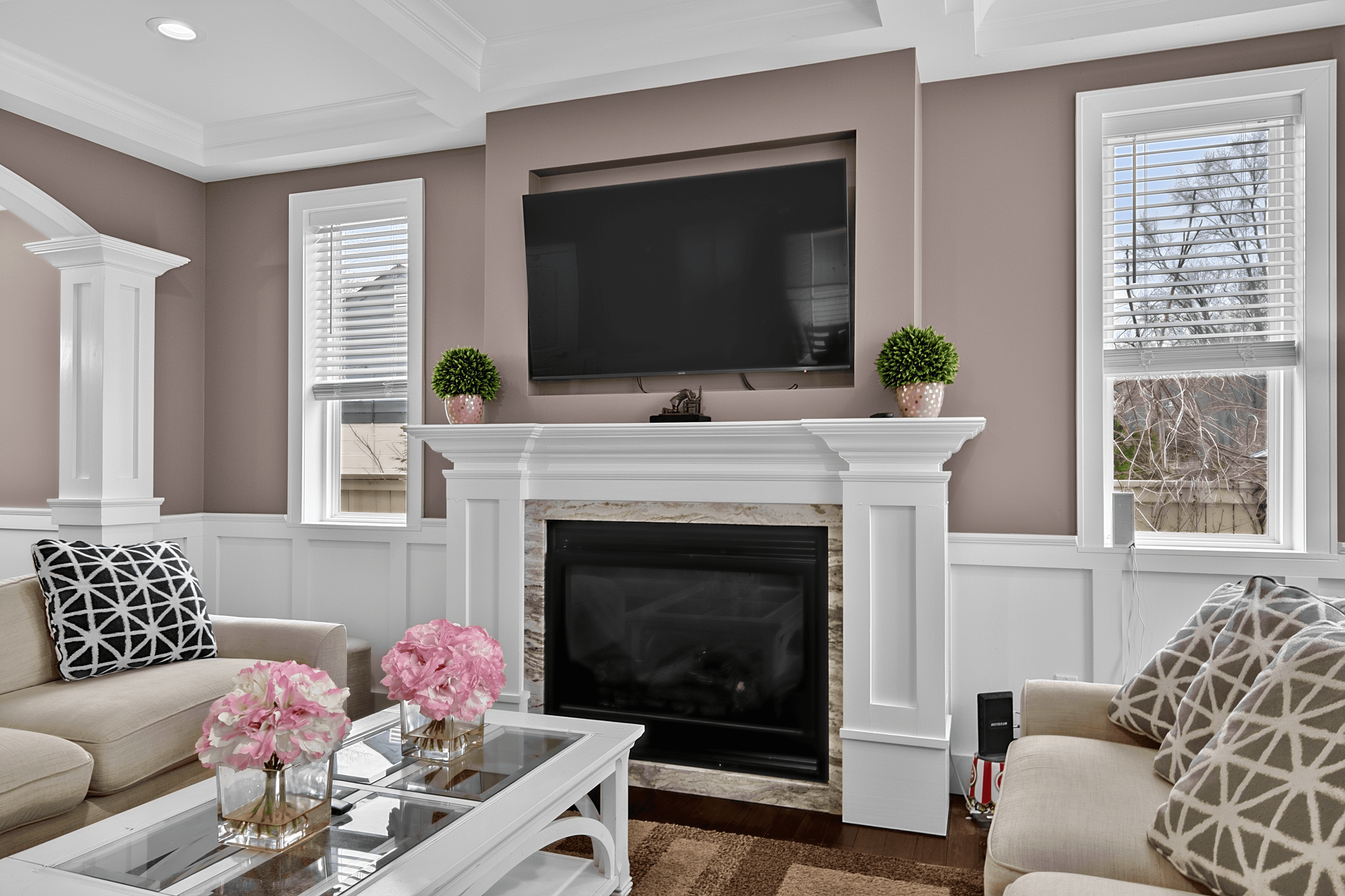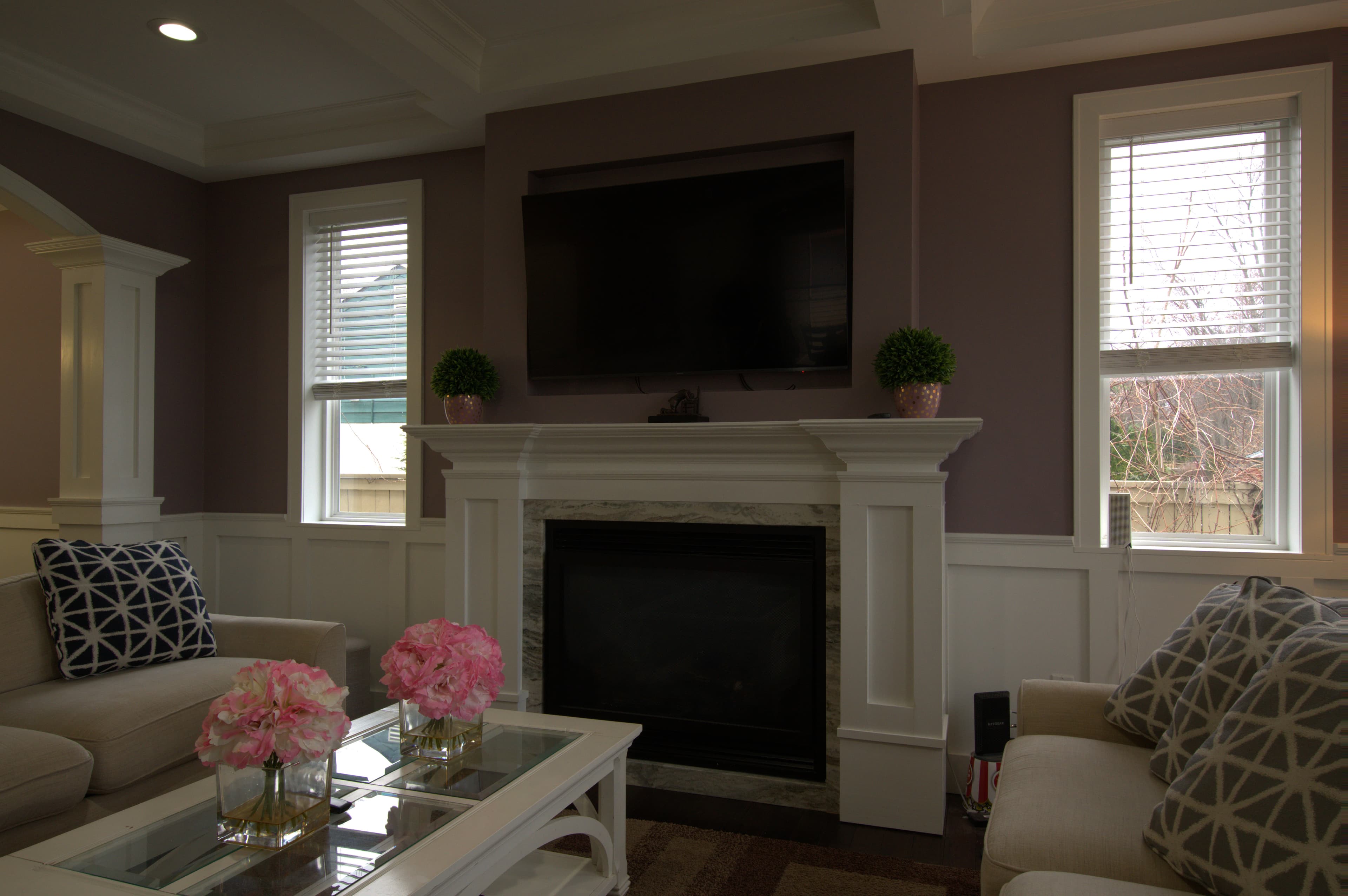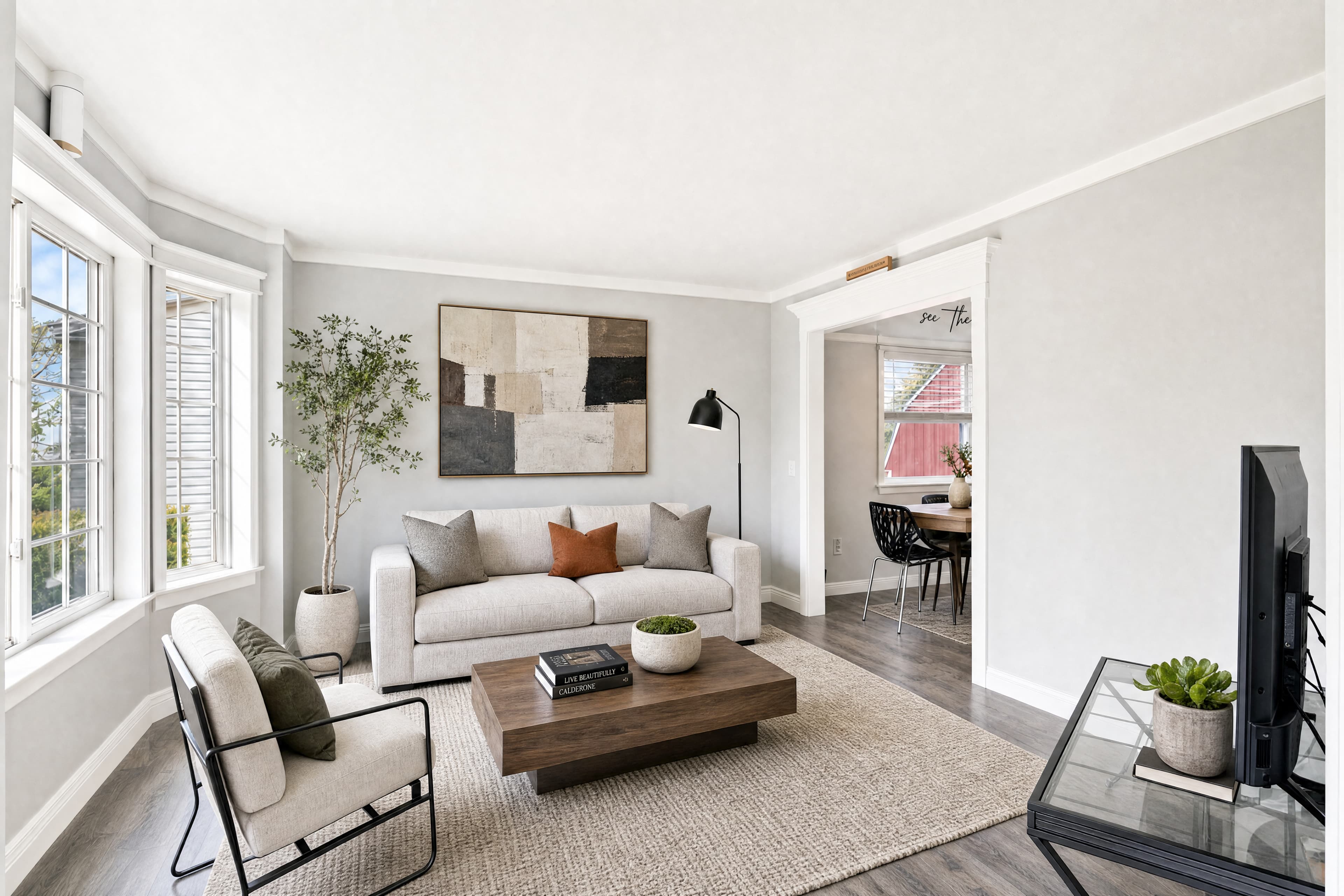
The choice between virtual and physical staging used to be aesthetic. Now it’s mostly financial. AI virtual staging has caught up to physical on visual quality for online listing presentation. The question is: where do each still belong?
The cost gap
For a typical 2,500 sq ft, 4-bedroom listing:
| Item | Physical | Virtual |
|---|---|---|
| Design consult | $300–$600 | included |
| Furniture (60-day rental) | $2,500–$4,500 | $0 |
| Delivery + install | $400–$800 | $0 |
| Removal at close | $400–$800 | $0 |
| Per-image AI staging (50 images) | $0 | ~$175 |
| Total | $3,600–$6,700 | ~$175 |
The ratio
The timeline gap
Physical staging timeline
- Initial consult + design selection: 3–7 days
- Furniture coordination + delivery scheduling: 5–10 days
- Installation: 1 day
- Photography after install: typically 1–2 days later
Total: 10–20 days from initial call to listing-ready photos.
Virtual staging timeline
- Photograph the empty rooms (already part of your normal shoot)
- Upload to Studio, select Virtual Staging service
- Download finished staged photos: under 30 minutes
Total: under 1 hour from empty-photos to listing-ready staged photos.
The quality reality
Physical staging quality
Real furniture in a real room. Buyers walking through see what’s there. Visual quality is determined by the stager’s design taste, the rental inventory, and how well it fits the home’s architecture.
Virtual staging quality
Modern AI virtual staging is photographically realistic at full resolution. Shadows match the light direction. Materials look like materials (linen, leather, velvet, wood, glass). Furniture has correct scale relative to the room. Architectural elements (walls, floors, windows) are preserved exactly — only the empty space gets filled.
Can buyers tell the difference looking at MLS photos? In most cases, no. The tells from early virtual staging (flat shadows, scale issues, “floating” furniture) are gone in current-generation AI.
The disclosure question
Both formats require disclosure on the listing:
- Physical staging — typically disclosed in the listing description (“Home shown with stager-provided furniture; furniture not included in sale”).
- Virtual staging — same disclosure plus a “Virtually staged” caption on each staged image. We deliver staged + empty originals together so you have both sets for compliance.
When physical staging still wins
Open houses
If buyers are walking through, they need real furniture in real rooms. Virtual staging only exists in photographs.
Luxury listings ($2M+)
Premium listings have marketing budgets that support physical staging, and luxury buyers expect a fully-presented home during the in-person tour. At this tier, physical staging is table stakes.
Awkward room layouts
Rooms with unusual proportions (long narrow, very small, oddly-shaped) benefit from physical staging because the value-add is showing buyers how the room can be used — easier to demonstrate in person than in photos.
Brand-new construction
Builders showing brand-new construction often physically stage one model unit so buyers can experience the floorplan in person.
When virtual staging wins
Vacant listings, marketing-photos-only
If the home will not have a physical stager but you want strong listing photos, virtual staging fills the gap perfectly.
Pre-list refreshes
If a listing has been sitting empty and the photos look empty, virtually re-staging the photos signals an updated presentation to buyers who’ve seen the listing before.
Multiple style options
Want to test Modern vs Coastal vs Farmhouse to see which appeals to your target buyer? Order three virtual staged versions for under $20 total. Physical staging locks you into one choice.
Showcase angles physical staging missed
Even with a physical stager, the photographer may want angles or rooms the stager didn’t cover. Virtual staging fills these gaps.
The hybrid strategy for premium listings
For $1M+ listings, the smart move is hybrid:
- Physical staging for the home — buyers will tour in person
- Virtual staging for additional marketing angles not covered by the physical stager
- Multiple virtual style versions for testing in social media + agent marketing materials
Decision framework
| Scenario | Recommended |
|---|---|
| Vacant entry-level listing | Virtual only |
| Vacant mid-market listing | Virtual only |
| Vacant luxury listing | Hybrid (physical + virtual angles) |
| Occupied entry/mid listing | Photograph as-is, no staging needed |
| Occupied with dated furniture | Photograph cleared rooms, virtual stage them |
| Open house tour planned | Physical (real furniture required for tour) |
| Brand new construction | Physical for model + virtual for additional angles |
| Re-listing after time on market | Virtual re-stage for refresh signal |
The bottom line
Physical staging is a 1990s-era solution that’s expensive, slow, and runs the meter whether the listing sells or not. Virtual staging is per-image, instant, and reversible. For 90% of listings where the buyer journey is “see online → request showing → see in person,” virtual staging covers the online half at 5% of the cost.
Physical staging still earns its place at the top of the market and during open houses. For everything else, the math has changed.